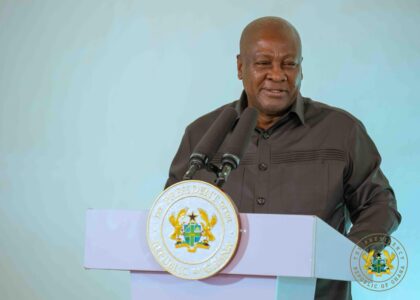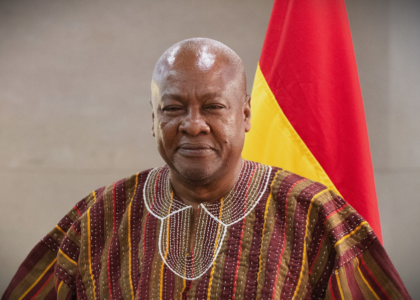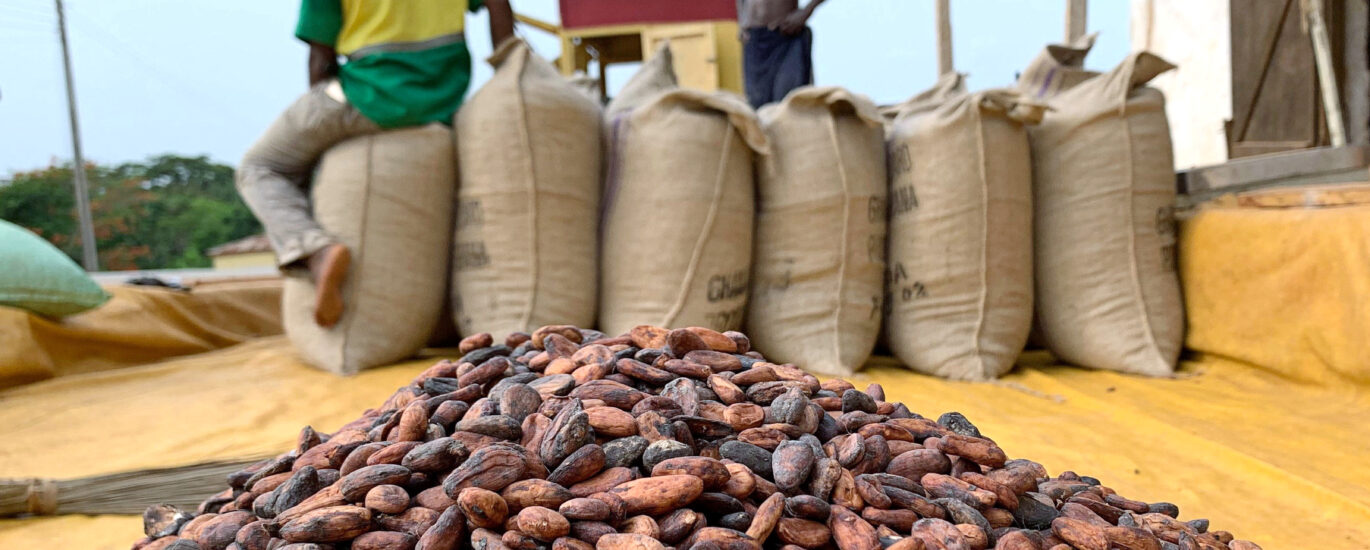
When President John Dramani Mahama and the NDC government reduced the cocoa producer price from GH₵3,625 to GH₵2,587 per bag in February 2026, the NPP cried betrayal. Farmers protested in places like Kadjebi and Assin North. Headlines screamed betrayal. But before joining the outrage, let us step back and look at the full picture, because the truth is more reasonable than the uproar suggests.
The NPP has been relentless in its criticism. Their argument sounds powerful on the surface. They say no government in Ghana’s history has ever cut cocoa prices mid-season. They accuse the NDC of breaking a campaign promise that suggested farmers would receive as much as GH₵6,000 per bag. They point to unpaid bills, rising production costs, and genuine farmer suffering. Richard Ahiagbah, the NPP Director of Communications, has repeatedly argued that the previous NPP administration never reduced prices, not even during global crises like COVID-19, and he claims the current reduction is simply due to incompetent trading.
But here is what the NPP conveniently leaves out of their story. World cocoa prices crashed from over $11,000 per tonne to approximately $4,100 in a matter of months. That is a staggering drop of nearly seventy percent. Finance Minister Dr. Cassiel Ato Forson explained plainly that the adjustment was unavoidable because international market forces do not care about election promises. The previous NPP administration, for all their claims of careful management, left no meaningful stabilization fund to absorb this shock. They did not diversify the economy away from raw bean exports. They did not prepare Ghana for the next global downturn. And now they stand on the sidelines criticising the NDC for cleaning up their mess.
President Mahama called this crisis a wake-up call, and he is absolutely right. For decades, Ghana has exported raw cocoa beans while traders in London and New York made the real profits. The NDC is now pushing for something revolutionary: value addition. Processing cocoa here. Creating jobs here. Keeping wealth here. That is long-term thinking, not populism. A leader who tells farmers what they want to hear while leading the country toward bankruptcy is not a hero. A leader who tells the painful truth and then builds a solution is exactly what Ghana needs.
The NPP also forgets to mention that the NDC did not simply slash prices and walk away. Alongside the difficult price adjustment, the government announced a genuine support package. Free fertilisers and insecticides to reduce production costs. A new Cocoa Tertiary Scholarship Scheme starting in the 2026/27 academic year for farmers’ children. These are not empty gestures. They address the real needs of cocoa-growing households who are struggling with school fees and rising living costs. The NDC is cushioning the blow while simultaneously building a more resilient sector for the future.
Let us also talk honestly about the math. President Mahama promised farmers seventy percent of the gross Free on-Board price. Under current market conditions, that is exactly what GH₵2,587 per bag represents. The NPP’s promised GH₵6,000 would have been financially impossible without collapsing the entire Ghana Cocoa Board. A responsible government cannot write cheques that the national treasury cannot cash. Farmers deserve better than fantasy promises made during election season and forgotten immediately afterwards.
Yes, the price drop hurts. Yes, farmers have every right to feel frustrated. And yes, the NDC government acknowledges that this is painful. But responsible leadership means making hard choices when easy lies would be more popular. President Mahama and Dr. Forson have chosen to tell farmers the truth, support them through the difficulty, and build a future where Ghana no longer begs for mercy from international commodity traders.
The NPP can shout betrayal from every radio station in the country. History will remember something different. History will remember which government told farmers the truth and which government left the cupboard bare. History will remember who tried to solve the problem instead of just complaining about it.
By Philip Attuah Ansah